
📞 +84-767-746-930 (WhatsApp)
📧 anhvuhandicrafts@gmail.com Quan Cham Hamlet, Phu Nghia Commune, Hanoi, Vietnam
SUSTAINABLE CONSUMPTION TRENDS AND THE EXPORT POTENTIAL OF HANDICRAFTS
In recent years, sustainable consumption has become an increasingly important factor influencing global purchasing behaviour. Consumers are no longer concerned solely with price and functionality, instead, they place greater value on environmental responsibility, ethical production, and cultural authenticity. This shift has created favourable conditions for the development and export of handicraft products, particularly those originating from countries with strong traditional craftsmanship, such as Vietnam.
1. Sustainable consumption as a global trend
According to reports from international organizations such as the United Nations Environment Programme (UNEP) and Nielsen, a growing number of consumers are paying attention to how products are made, what materials are used, and whether production processes are environmentally responsible. Nielsen's global survey indicates that over 60% of consumers are willing to pay more for products from brands committed to positive social and environmental impact. This trend is especially evident in developed markets and among younger consumer groups.
Handicraft products naturally align with sustainable consumption principles. They often utilize renewable or recycled materials, involve low-energy production processes, and support local communities and traditional skills. As a result, handicrafts are increasingly perceived not only as decorative or functional items but also as products that convey ethical and cultural value.
2. Growth of the global handicraft market
The global handicraft market has shown steady growth over the past decade. According to data from international market research firms, the handicraft and handmade products sector is valued at tens of billions of US dollars annually, with consistent growth driven by demand for home décor, lifestyle products, and eco-friendly household items. While growth rates vary by region, markets in Asia, the Middle East, Europe, and North America continue to demonstrate stable demand for well-designed, sustainably produced handicrafts.
E-commerce and cross-border trade platforms have further expanded export opportunities for handicraft manufacturers. International buyers can now directly access producers, compare product quality, and place OEM or outsourcing orders more efficiently, reducing traditional trade barriers.
3. Vietnam's advantages in handicraft exports
Vietnam is recognized as one of Southeast Asia's important handicraft production hubs. The country has thousands of craft villages and a skilled labor force experienced in working with natural materials such as rattan, bamboo, wood, and coconut shell. Vietnamese handicrafts are currently exported to over 160 countries and territories, reflecting strong international acceptance.
From a sustainability perspective, Vietnam's handicraft sector benefits from abundant natural materials and long-established manual production techniques, which help reduce environmental impact compared to mass industrial manufacturing. These strengths provide Vietnamese manufacturers with a competitive advantage when targeting markets that prioritize sustainability and ethical sourcing.
4. Opportunities for manufacturers like AnhVu Handicraft
Within this context, companies such as AnhVu Handicraft are well-positioned to benefit from sustainable consumption trends. By combining traditional Vietnamese craftsmanship with organized production processes, quality control, and OEM capabilities, manufacturers can meet the requirements of international buyers seeking reliable, long-term partners.
☞ Key factors supporting export development include:
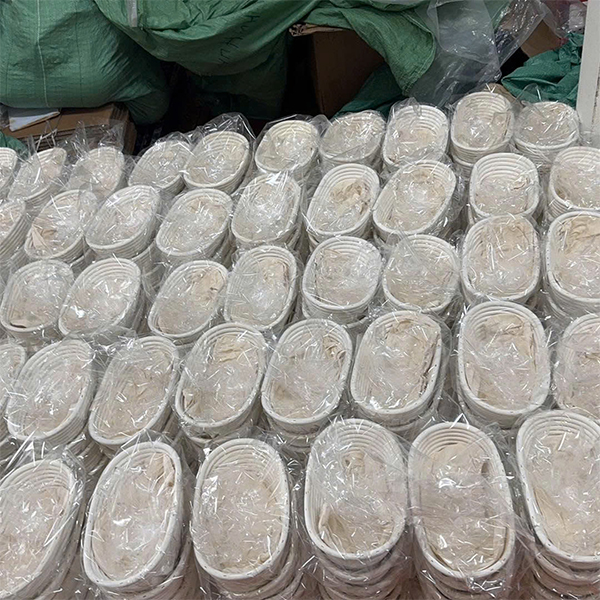
✯ Use of natural and eco-friendly materials such as rattan and coconut shell.
✯ Skilled artisanship combined with scalable production capacity.
✯ Clear communication and professional export consulting, particularly in English.
✯ Ability to adapt designs and specifications to different market needs.
✯ Export markets in Asia and the Middle East, including China, Hong Kong, Thailand, and the UAE, continue to show strong demand for decorative and functional handicraft products, offering practical and achievable growth opportunities.
5. Conclusion
Sustainable consumption is no longer a niche concept but a mainstream trend shaping global trade. Handicrafts, with their environmental compatibility, cultural value, and human-centered production processes, are well-suited to meet this demand. For Vietnamese manufacturers such as AnhVu Handicraft, the combination of traditional skills, modern production management, and export-oriented thinking creates solid potential for sustainable and long-term development in international markets.
*YOU MAY ALSO LIKE

Consumers are no longer concerned solely with price and functionality, instead, they place...CONTINUE READING

Handicraft products are imported on a large scale by markets such as the United States, the EU...CONTINUE READING
Just contact us and our team will get back to you as soon as possible.
Address: Quan Cham Hamlet, Phu Nghia Commune, Hanoi City, Vietnam
Hotline: (+84) 767-746-930
Email: anhvuhandicrafts@gmail.com
AnhVu is the ideal partner for wholesalers, retailers, and importers worldwide seeking high-quality handicrafts made from eco-friendly materials in Vietnam. For inquiries:
📞 WhatsApp: (+84) 767-746-930
📧 : anhvuhandicrafts@gmail.com
ANHVU HANDICRAFTS COMPANY LIMITED
Address: Quan Cham Hamlet, Phu Nghia Commune, Hanoi City, Vietnam
Hotline: (+84) 767-746-930
Email: anhvuhandicrafts@gmail.com
ANHVU HANDICRAFTS COMPANY LIMITED
Địa chỉ: Quan Cham Hamlet, Phu Nghia Commune, Hanoi City, Vietnam
Business Registration License No. 0110628132 - Issued by the Hanoi Department of Planning and Investment on February 22, 2024
Responsible for content - Vuong Van Vu
@ Copyright by ANHVU HANDICRAFTS COMPANY LIMITED. Designed by Vietnam Yellow Pages.


